Team

Meet the IDEA Bio team

The people designing, testing and scaling biology at the Australian Institute for Bioengineering and Nanotechnology.
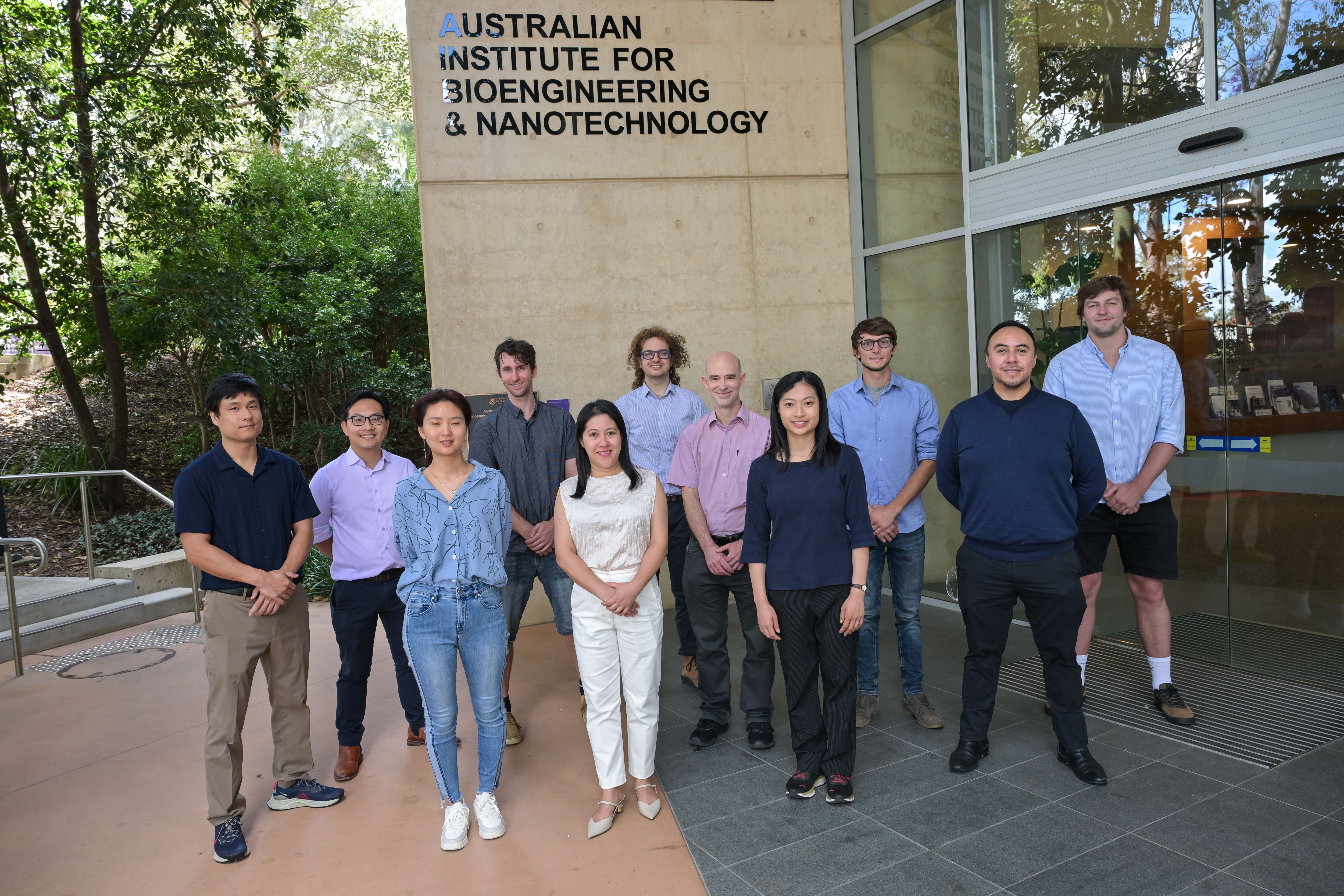
The IDEA Bio team outside the AIBN building
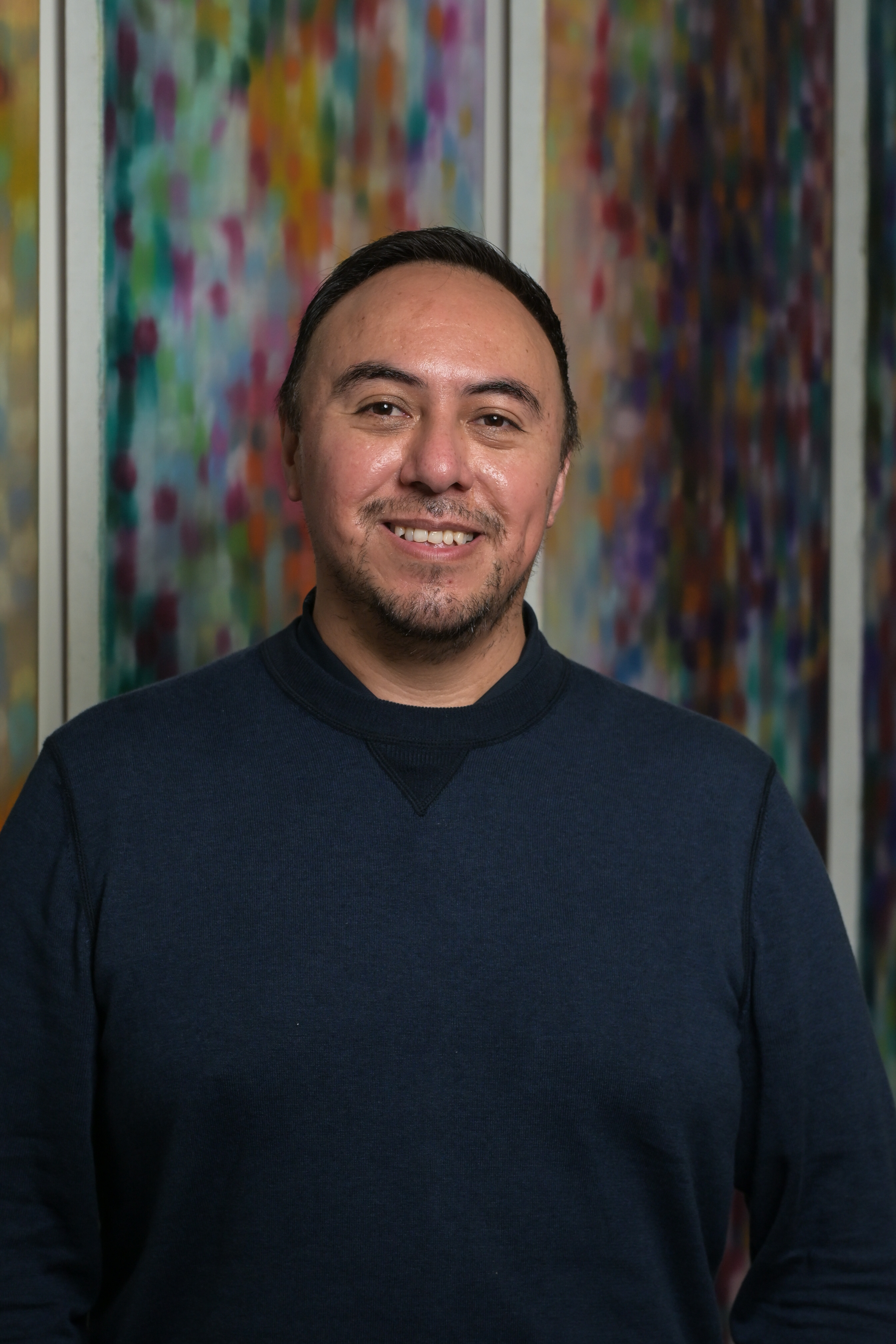
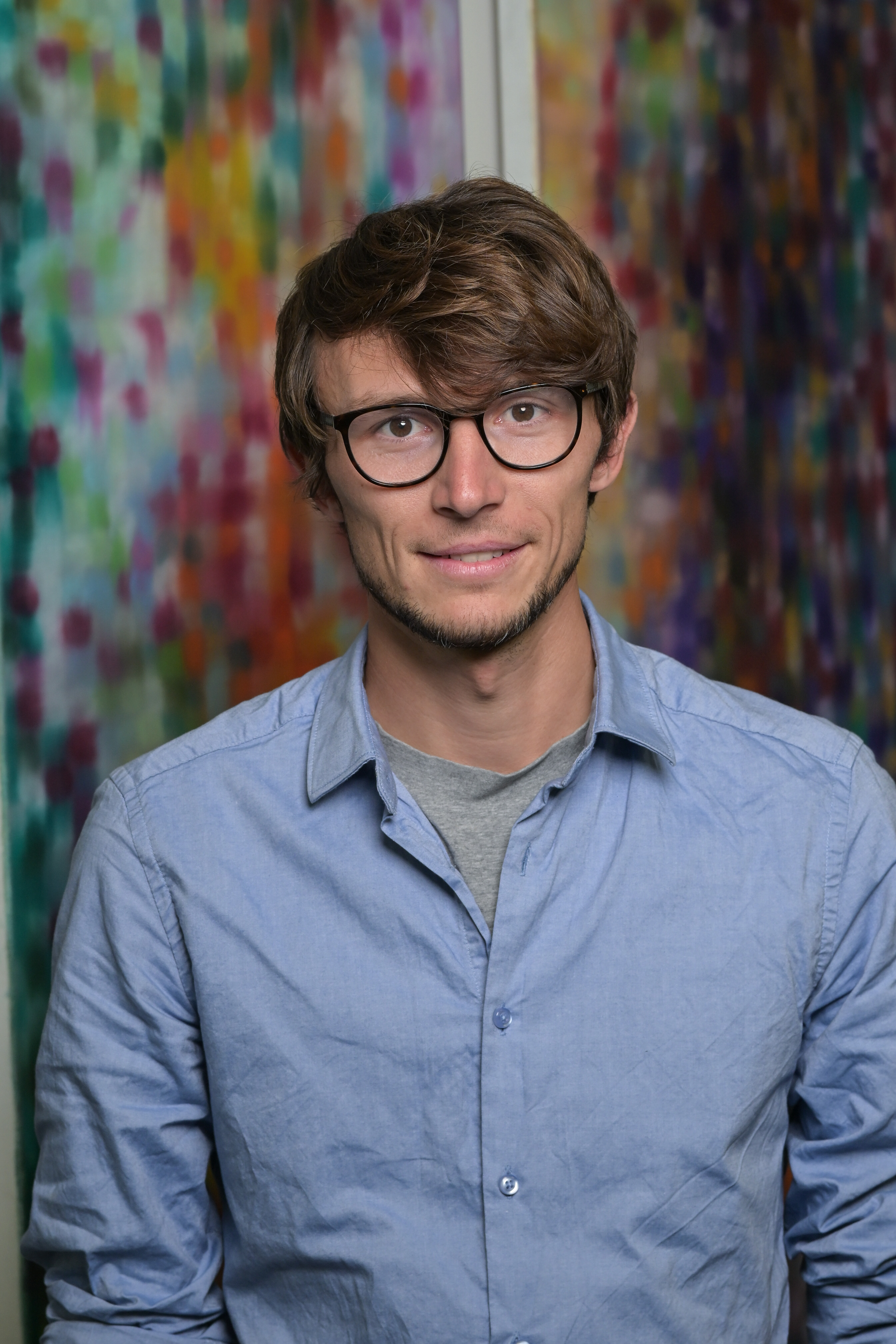
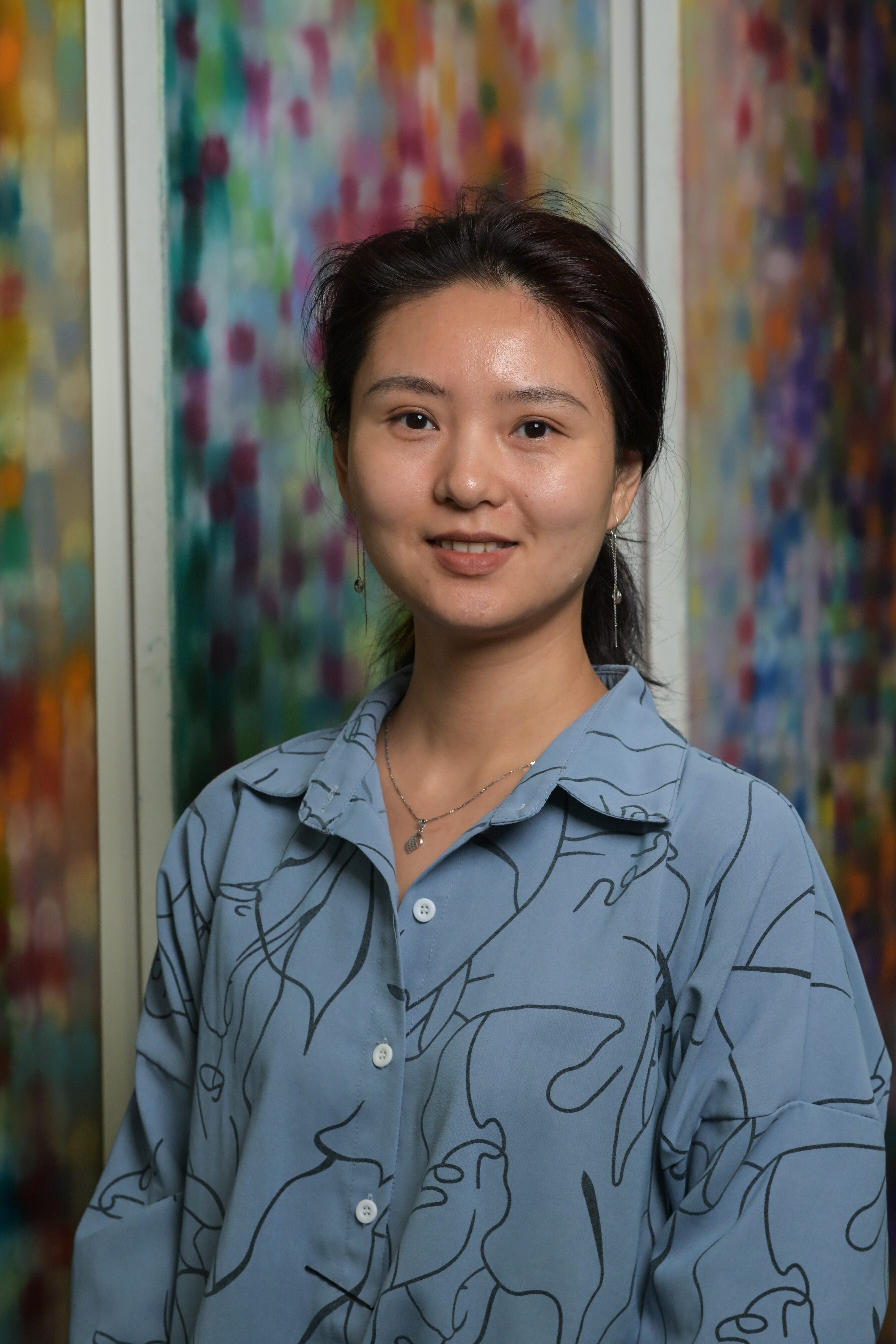
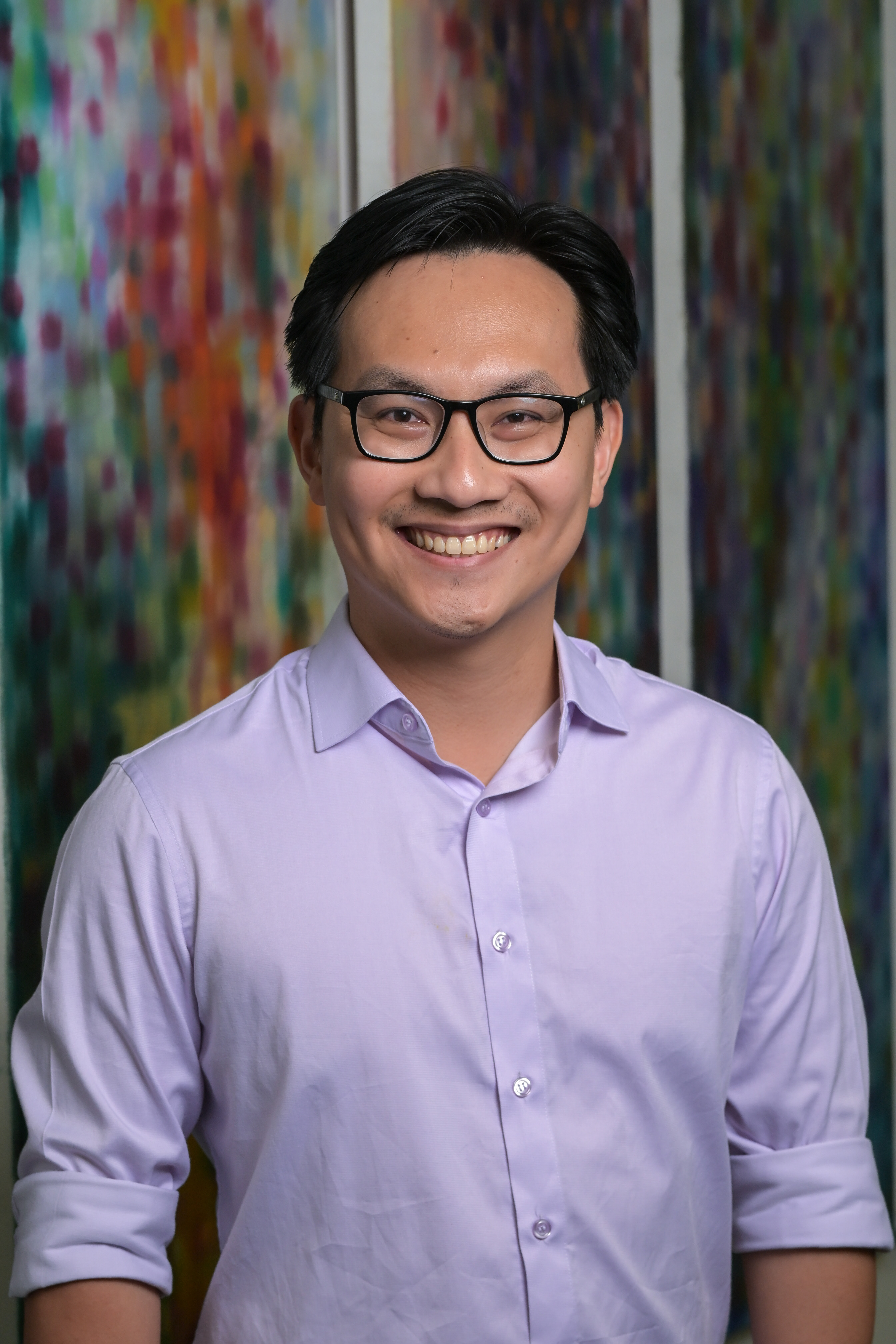
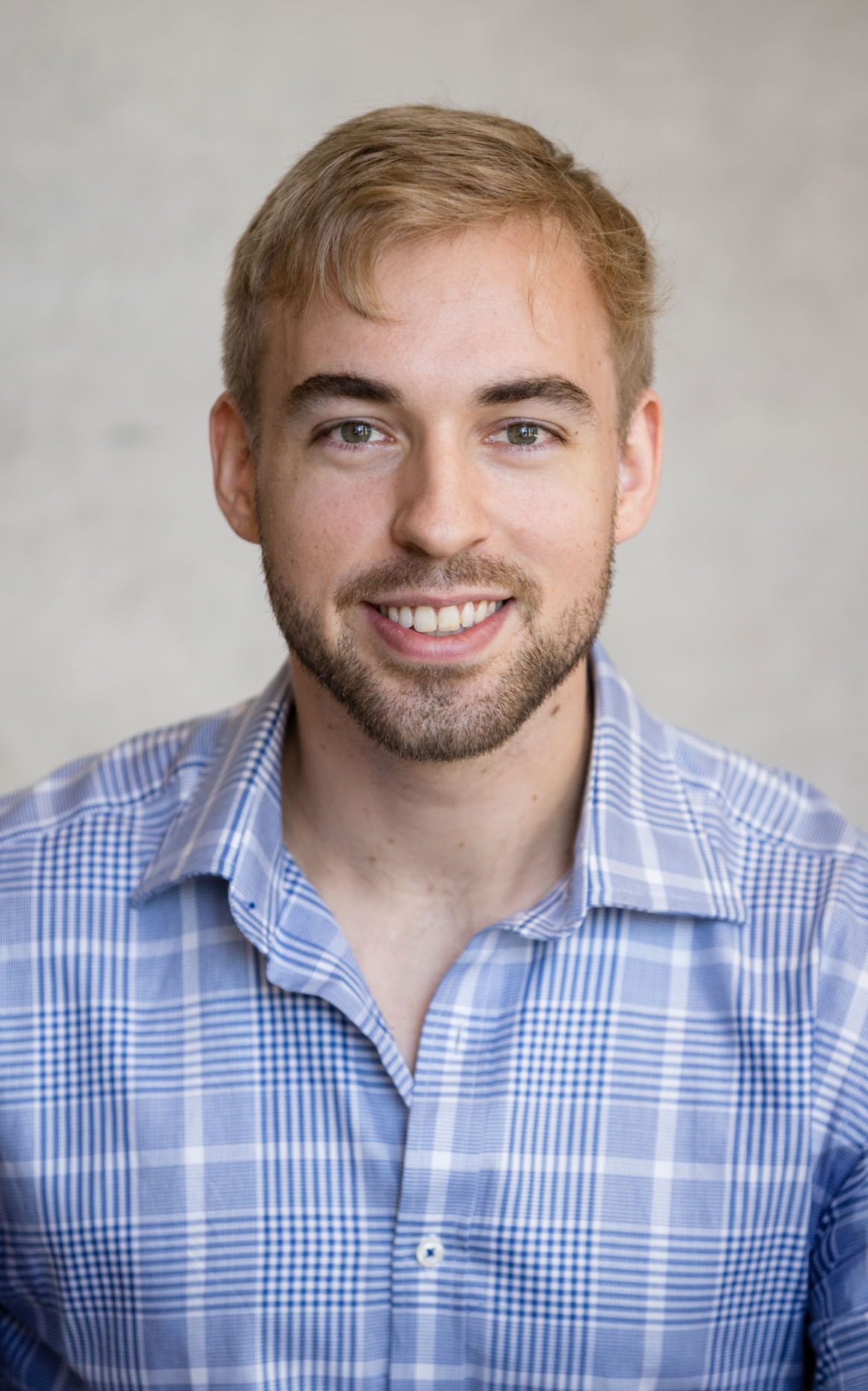
  • Portrait of Dr Axa Gonzalez

    Dr Axa Gonzalez

    Facility Manager & Senior Bioprocess Engineer

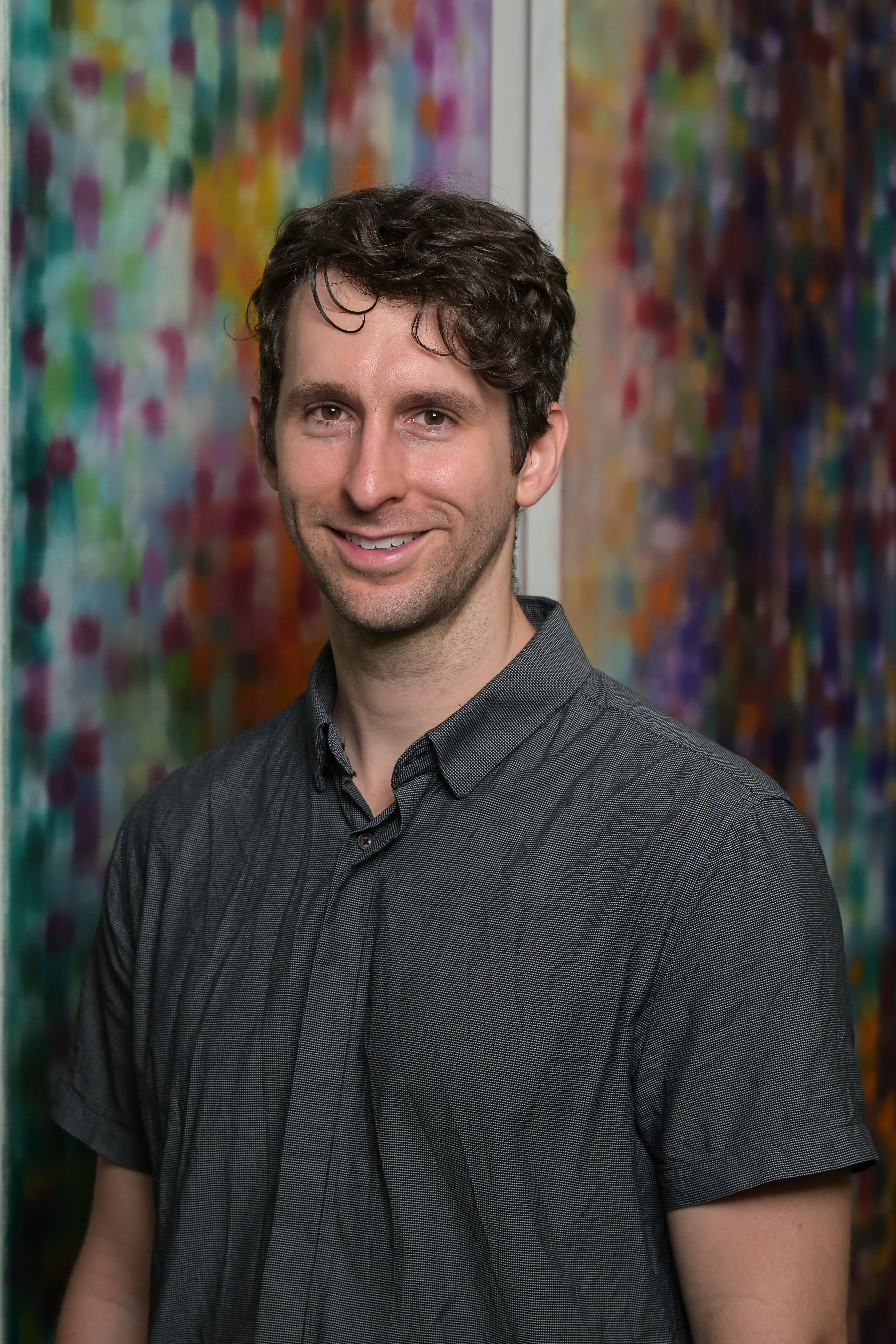
  • Portrait of Dr Tim McCubbin

    Dr Tim McCubbin

    Design & Learn Lead

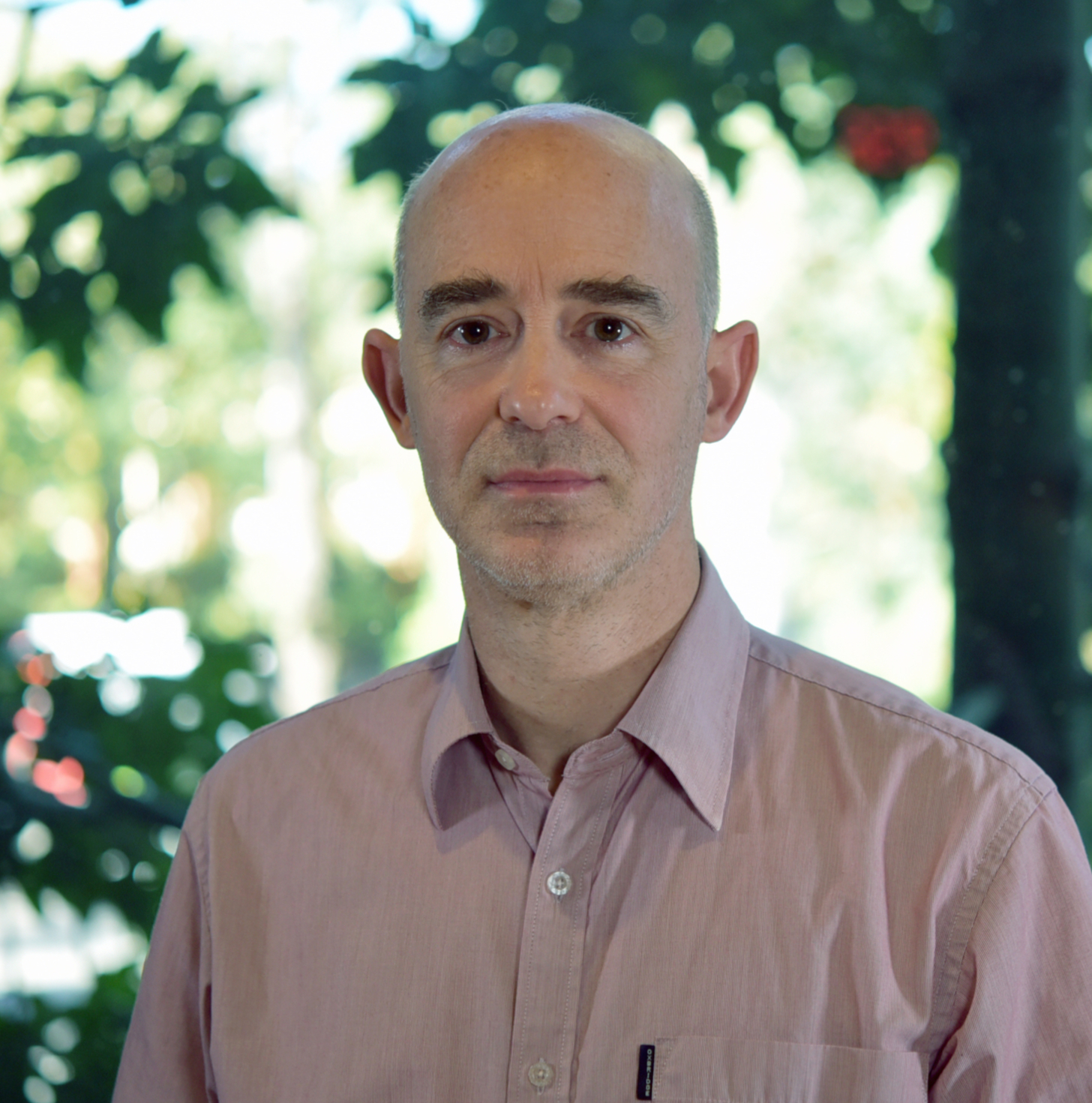
  • Portrait of Dr Robin Palfreyman

    Dr Robin Palfreyman

    Bioinformatician

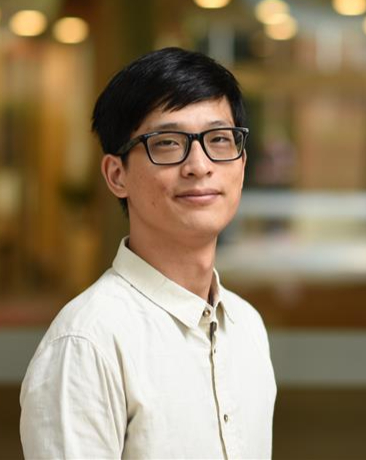
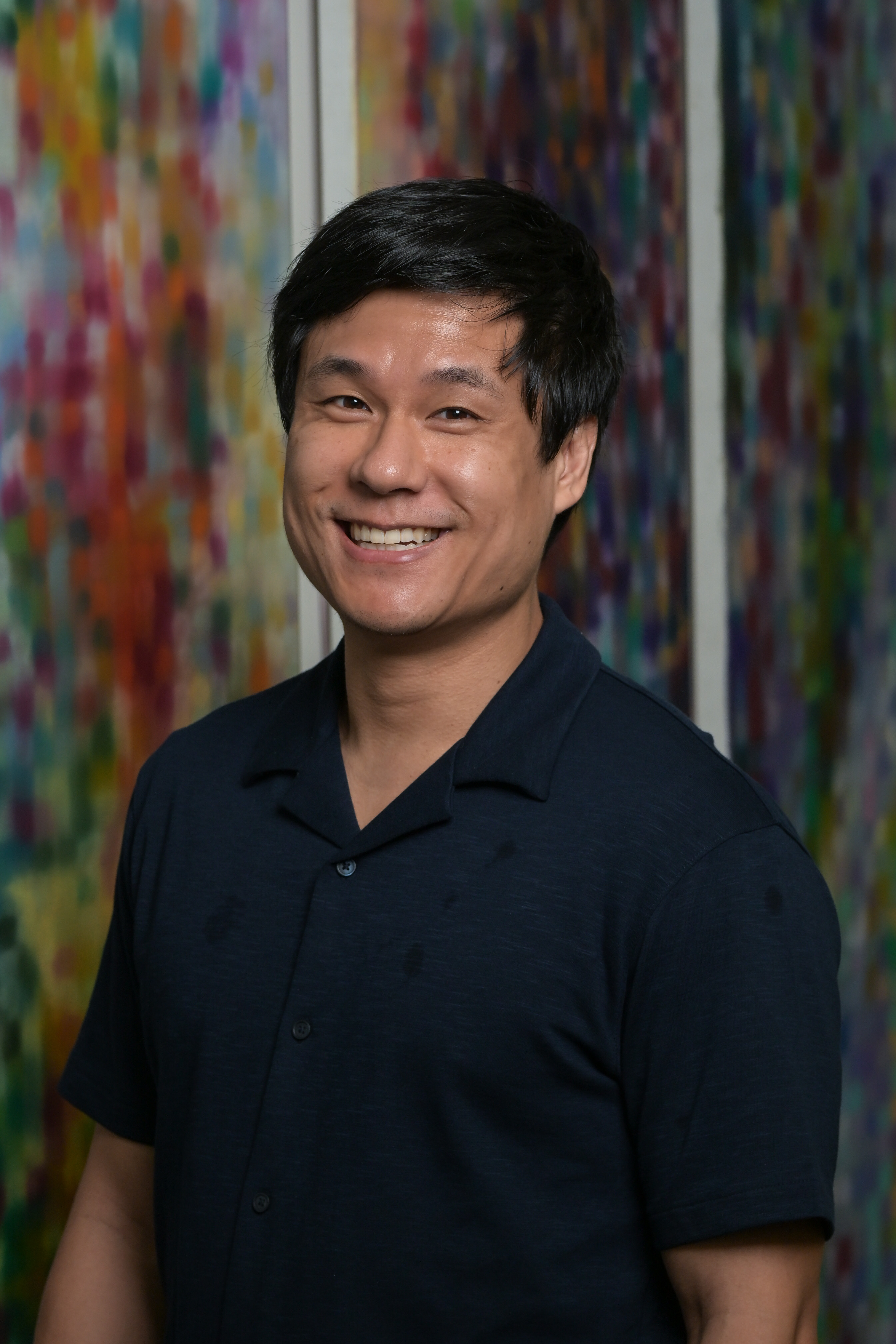
  • Portrait of Dr Justin Chitpin

    Dr Justin Chitpin

    Postdoctoral Fellow

  • Portrait of Dr Subaru Muroi

    Dr Subaru Muroi

    Machine Learning & AI Specialist

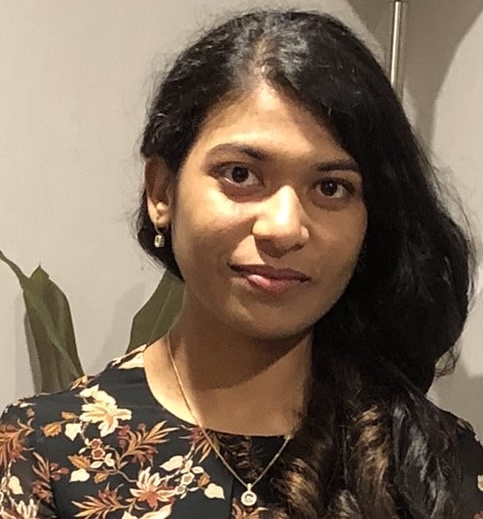
  • Portrait of Dr Neha Lal

    Dr Neha Lal

    Fermentation Scientist

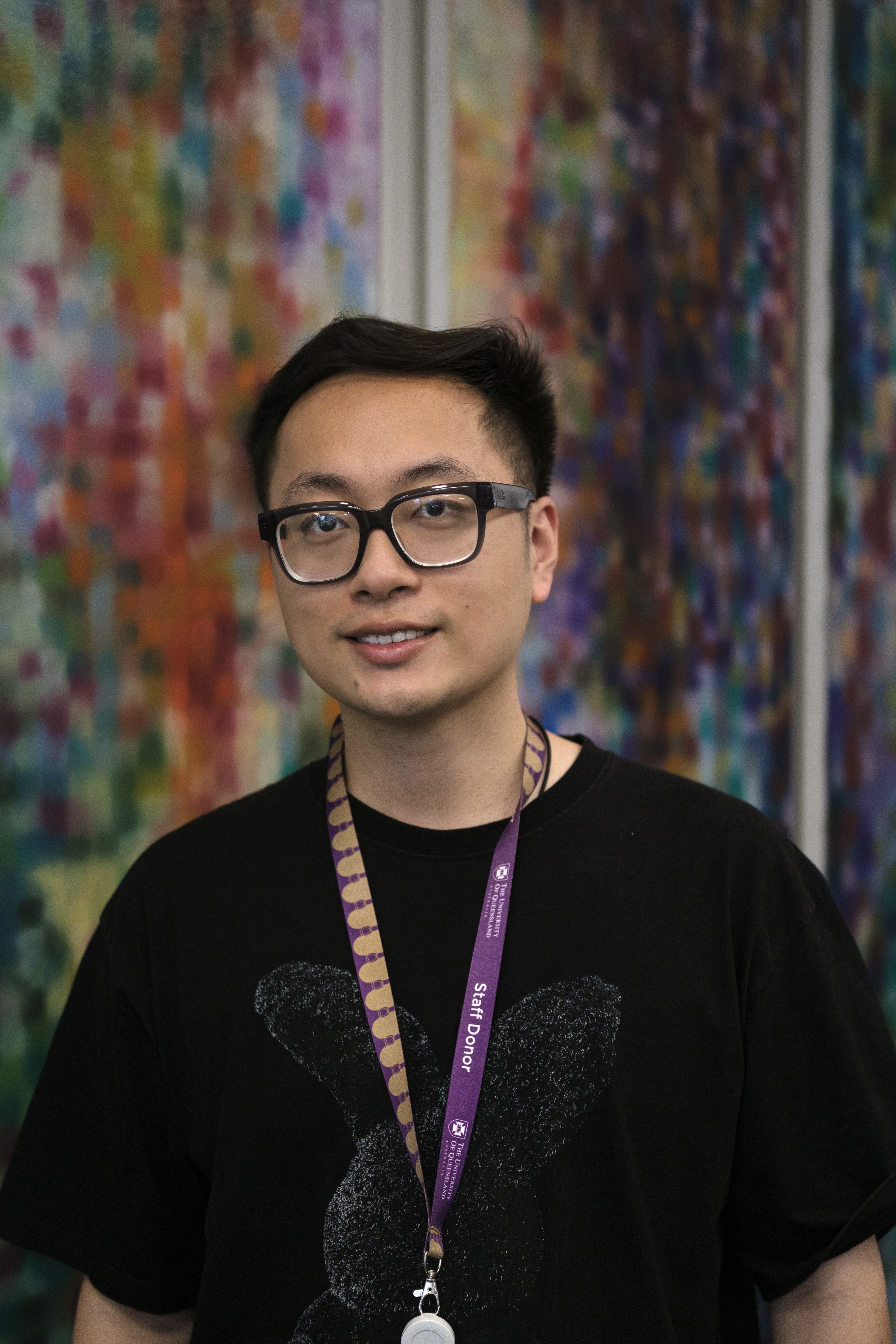
  • Portrait of Dr Jerry Yang

    Dr Jerry Yang

    Postdoctoral Fellow

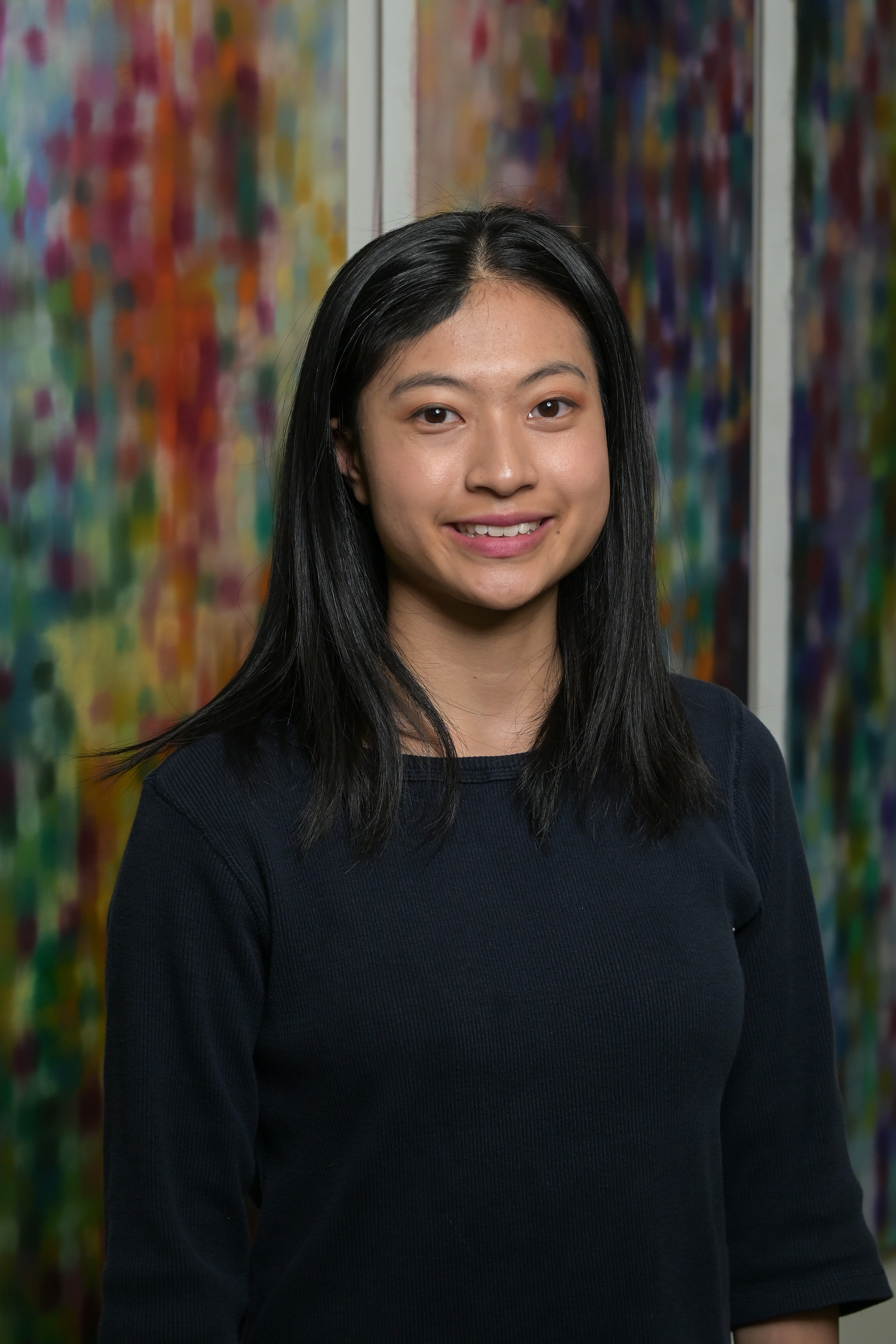
  • Portrait of Ms Helen Wong

    Ms Helen Wong

    Automation Specialist

  • Portrait of Mr Laurin Walther

    Mr Laurin Walther

    Fermentation Specialist

  • Portrait of Ms Yu Sun

    Ms Yu Sun

    Senior Fermentation Scientist

  • Portrait of Mr Nhat Huynh

    Mr Nhat Huynh

    Fermentation Specialist

  • Portrait of Lachlan Jeremijenko

    Lachlan Jeremijenko

    Bioprocess Engineer

  • Portrait of Sally Yukiko

    Sally Yukiko

    Senior Strategy & Operations Officer

  • Portrait of Catherine Varas

    Catherine Varas

    Software Engineer

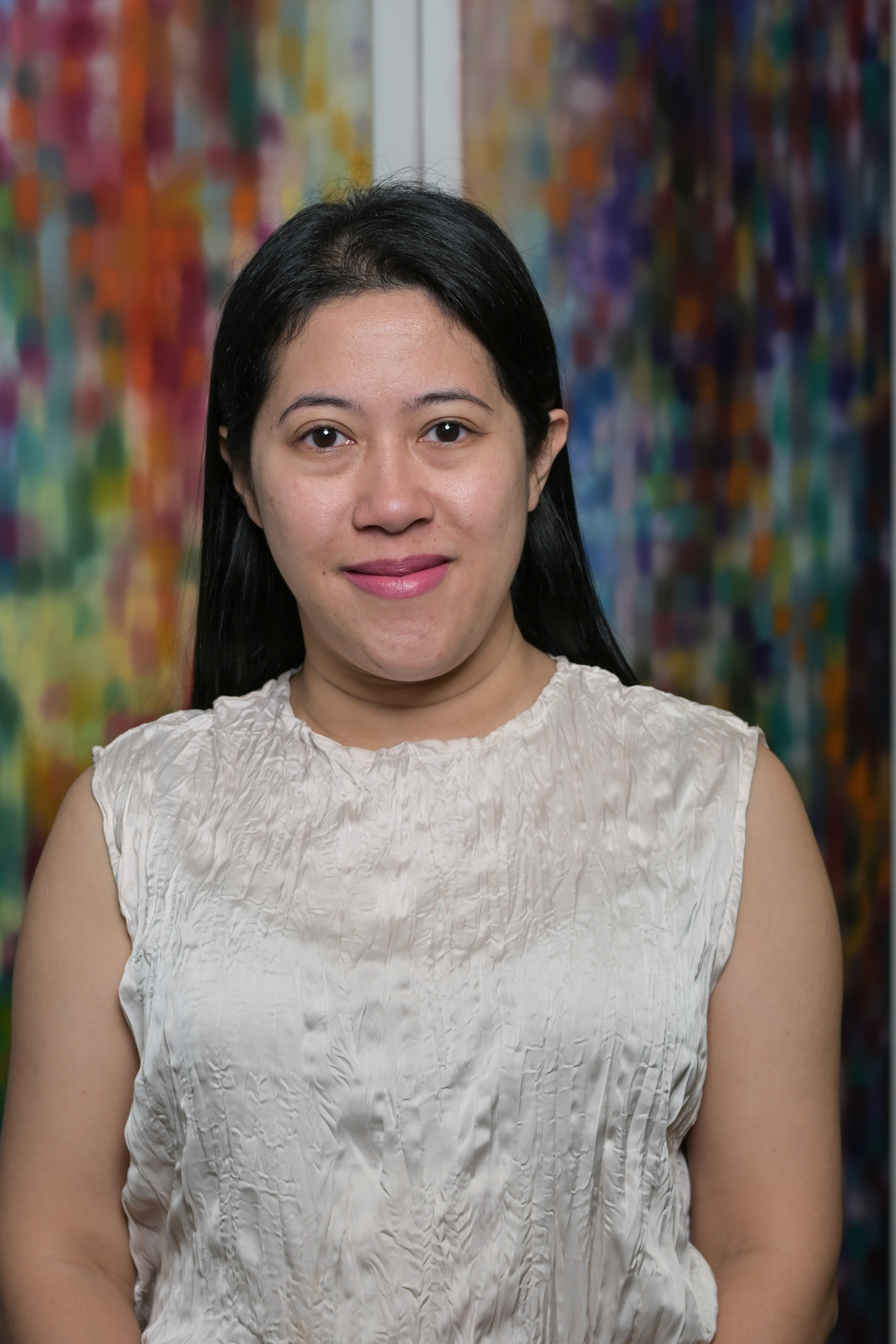
Dr Axa Gonzalez

Facility Manager & Senior Bioprocess Engineer

Cells dividing outward across a culture plate until it is confluent, then starting over.

Axayacatl Gonzalez is the Facility Manager and Senior Bioprocess Engineer at IDEA Bio, where he oversees the day-to-day running of the facility at the AIBN and leads its testing work — growing engineered strains across the bioreactor fleet and characterising how they perform under real process conditions.

Axa completed a bachelor’s degree in Chemical Engineering and Biotechnology at the Interdisciplinary Unit for Biotechnology (UPIBI, IPN) in Mexico in 2010, followed by a Master’s in 2012 specialising in metabolic modelling and bioprocessing. He moved to Australia in 2013 to undertake his PhD at the Australian Institute for Bioengineering and Nanotechnology at The University of Queensland. Since then he has worked across several national research programs, including the ARC Training Centre for Biopharmaceutical Innovation, the Queensland Strain Factory, and the ARC Centre of Excellence in Synthetic Biology.

Alongside his role at IDEA Bio, Axa’s research focuses on developing bioprocess strategies that improve productivity, and on identifying the metabolic changes bacterial strains undergo under selective pressure. He also works on the design, construction and evaluation of synthetic genetic circuits in microbial hosts, and on methods to screen, isolate, characterise and propagate soil microorganisms for agricultural practice.

Dr Tim McCubbin

Design & Learn Lead

Three live omics traces — RNA, protein and metabolite — scrolling out of phase while a read head sweeps across. RNA Protein Metabolite

Tim McCubbin leads the Learn team at IDEA Bio, where he develops and applies data-driven methods for strain and bioprocess design. He completed his PhD at the University of Queensland under Prof. Lars Nielsen and Prof. Esteban Marcellin, applying systems biology and metabolic modelling to propionic acid production in Propionibacteria.

Tim's research centres on integrating multi-omics data with metabolic models to deeply characterise microbial phenotypes; understanding how organisms function, and how they can be engineered toward more desirable behaviours such as the enhanced production of a target compound. He has since applied kinetic modelling to guide yeast strain design in collaboration with Amyris, and currently works on engineering cyanobacteria to convert carbon dioxide and light into commercially valuable products.

Increasingly, his work also focuses on bioprocess optimisation through digital twins, building predictive models directly from bioreactor data to improve process performance. Across these projects, Tim leads the development of modelling workflows that guide the rational design of strains and bioprocesses for the enhanced production of bio-based products.

Dr Robin Palfreyman

Bioinformatician

Three live omics traces — RNA, protein and metabolite — scrolling out of phase while a read head sweeps across. RNA Protein Metabolite

Robin Palfreyman is the Bioinformatician at IDEA Bio, where he supports researchers, the wider university community and external clients with the analysis and interpretation of large biological datasets. He brings a background in both biochemistry and software development to the role.

His work spans the analysis, manipulation and integration of omics data — genomic, transcriptomic, proteomic and metabolomic — turning large and often disparate datasets into something researchers can reason about. He also provides bioinformatics support through Q-MAP, the Queensland node of Metabolomics Australia, and works within the Marcellin Group at the AIBN.

The aim throughout is to help the people he works with build a clearer picture of the organism they are studying, so they can engineer the processes they care about.

Dr Justin Chitpin

Postdoctoral Fellow

Three live omics traces — RNA, protein and metabolite — scrolling out of phase while a read head sweeps across. RNA Protein Metabolite

Justin Chitpin is a Postdoctoral Fellow in the computational Learn team at IDEA Bio. He received his PhD in biochemistry, with a specialisation in bioinformatics, at the University of Ottawa in Canada under Professor Theodore Perkins.

Justin has broad research interests in cellular metabolism, metabolic flux analysis, and methods development for the analysis of omics data. He is currently building workflows to characterise bioreactor and high-throughput growth curve data, and integrating bioprocess, metabolomics and proteomics data using flux balance analysis, kinetic models and elementary flux mode analysis to gain deeper insight into cellular metabolism. Using these methods, he supports several projects that guide the rational design of strains for the enhanced production of bio-based products.

His earlier work developed Markov chain-based methods for analysing large-scale metabolic flux networks during his PhD, and Bayesian methods to identify lipid subclasses from liquid chromatography–tandem mass spectrometry data during his MSc, also completed at Ottawa.

Dr Subaru Muroi

Machine Learning & AI Specialist

Three live omics traces — RNA, protein and metabolite — scrolling out of phase while a read head sweeps across. RNA Protein Metabolite

Subaru Muroi is the Machine Learning and AI Specialist at IDEA Bio, working at the intersection of machine learning and synthetic biology — analysing kinetic models of metabolism, interpreting multi-omics data, and applying both to bioprocess design for precision fermentation.

Their work has consistently involved complex real-world systems where the data is messy and existing methods do not quite fit. Before joining IDEA Bio, Subaru led a multidisciplinary team applying machine learning to coastal engineering, building frameworks to simulate artificial reef designs under climate change scenarios. The underlying problem is the same in both settings: taking high-dimensional, nonlinear systems and making sense of them well enough to support optimisation and decision-making.

Subaru completed a PhD in coastal engineering at Griffith University, and also holds an MBA, a Master of Arts in TESOL, and a bachelor’s degree in brain cognition and artificial intelligence from The University of British Columbia. That unusual path — through cognitive systems, language acquisition and teaching — has meant a career spent moving between knowledge communities that do not naturally talk to each other. Subaru has published across climate science, coastal engineering, computational modelling, artificial intelligence, psychology and education, and speaks and MCs publicly on AI and its intersections with science and society.

Dr Neha Lal

Fermentation Scientist

A bioreactor running a batch: the impeller turns, the sparger bubbles, and the broth clouds over before harvest.

Neha is a Fermentation Scientist at IDEA Bio, where she develops precision fermentation processes for recombinant protein production using engineered yeast strains. She holds a Bachelor of Engineering (Honours) in Chemical and Biological Engineering and a PhD in Engineering, where her research focused on bioprocess engineering. Her work focuses on fermentation process development and optimisation, including process scale-up. Neha is passionate about sustainable biomanufacturing and enjoys collaborating across academia and industry to develop innovative bioprocesses.

Dr Jerry Yang

Postdoctoral Fellow

Cells dividing outward across a culture plate until it is confluent, then starting over.

Zihao (Jerry) Yang is a Postdoctoral Fellow at IDEA Bio, where he works at the interface of synthetic biology and industrial biotechnology. His current focus is engineering yeast cell factories for the biosynthesis of natural and therapeutic compounds.

Jerry’s background spans molecular microbiology, synthetic biology, genetics and biochemistry. His published work includes research on the cell envelope stress response in Escherichia coli, showing that the loss of cardiolipin and porins bypasses the essentiality of the sigma E pathway.

Ms Helen Wong

Automation Specialist

An eight-channel liquid handler stepping across a 96-well plate, dispensing one column at a time.

Helen is the Automation Specialist at IDEA Bio, where she streamlines and optimises laboratory workflows by integrating laboratory robotics. She develops automated workflows that reduce manual labour, minimise human error and improve efficiency, enabling laboratories to scale up operations while maintaining accuracy, reproducibility and data quality.

She works closely with fermentation scientists, data scientists, analytical specialists, engineers and researchers to bridge the gap between dry and wet lab processes. By working collaboratively with cross-functional teams, she identifies opportunities to automate repetitive laboratory workflows, translating complex laboratory protocols into robust, high-throughput automated solutions. Her expertise spans workflow optimisation, robotic system integration, and process development, helping accelerate research and development.

Mr Laurin Walther

Fermentation Specialist

A bioreactor running a batch: the impeller turns, the sparger bubbles, and the broth clouds over before harvest.

Laurin Walther is a Fermentation Specialist at IDEA Bio, where he works on precision fermentation and the bioprocess engineering that makes it scalable — bioreactor design and operation, media and process optimisation, and the multi-omics analysis that explains why a process behaves the way it does.

He is a chief investigator on Metagen, a project developing an integrated precision fermentation platform for lipopeptides such as surfactin, iturin and fengycin. These compounds have strong antimicrobial and biocontrol properties, but low yields, high production costs and inconsistent quality have kept them from large-scale use. The work combines multi-omics characterisation to identify the metabolic drivers of productivity, LC-MS/MS workflows for accurate quantification, and controlled comparison of batch, fed-batch and continuous processes at laboratory scale — with the aim of producing validated protocols and scale-up guidelines that industry can adopt, and giving Australian agriculture an alternative to synthetic agrochemicals.

Laurin holds a Master of Biotechnology from Griffith University and a Bachelor of Engineering in bioprocess engineering from Frankfurt University of Applied Sciences, both completed with distinction.

Ms Yu Sun

Senior Fermentation Scientist

A bioreactor running a batch: the impeller turns, the sparger bubbles, and the broth clouds over before harvest.

Yu Sun is a Senior Fermentation Scientist at IDEA Bio with over six years of experience in industrial biotechnology, specialising in microbial fermentation, bioprocess development, and process scale-up. She has worked across research, process development, quality systems, and GMP manufacturing, helping clients transform innovative ideas into robust and scalable bioprocesses.

Her expertise spans fermentation process design and optimisation, microbial strain cultivation, media development, bioreactor operation, and downstream process support. Yu has hands-on experience with a wide range of fermentation platforms, from benchtop reactors to pilot-scale systems, and has successfully supported projects involving bacteria, yeast, fungi, and other microorganisms for research and commercial applications.

Mr Nhat Huynh

Fermentation Specialist

A bioreactor running a batch: the impeller turns, the sparger bubbles, and the broth clouds over before harvest.

Nhat Huynh is a Fermentation Specialist at IDEA Bio, where he runs microbial fermentation across the facility’s bioreactor fleet and supports both academic and industry projects in recombinant protein production. His expertise spans upstream and downstream processing for biopharmaceutical products, analytical method development, and the project management that keeps contract research moving.

Before IDEA Bio, Nhat led the microbial operations at UQ’s Protein Expression Facility, where he commissioned a 250 mL multi-parallel bioreactor system and demonstrated process scalability from that scale through to 10 L stirred tank bioreactors — work that brought bioprocess development capability directly into translational research.

Nhat completed a Master of Philosophy in chemical engineering at the University of Adelaide, where his thesis developed a statistical methodology for optimising the soluble production of virus-like particle protein by fermentation in Escherichia coli. He also holds an honours degree in chemical and pharmaceutical engineering from Adelaide and a bachelor’s degree in chemical engineering from Ho Chi Minh City University of Technology. He is currently undertaking a PhD at the AIBN–UQ Bio Sustainability Hub on gas fermentation, using microbial fermentation and synthetic biology to upcycle waste gases into valuable products.

Lachlan Jeremijenko

Bioprocess Engineer

A bioreactor running a batch: the impeller turns, the sparger bubbles, and the broth clouds over before harvest.

Lachlan Jeremijenko is a Bioprocess Engineer at IDEA Bio, where he maintains and upgrades the core bioreactor fleet and supports the reliable operation of fermentation research and industry test programs.

He holds a Bachelor of Engineering (Honours) in Chemical Engineering from The University of Queensland. Before joining IDEA Bio, he worked in engineering consulting and process design, contributing to feasibility studies, detailed design and operational improvement projects across mineral processing and industrial facilities.

His current focus is improving bioprocess performance, control, automation and data collection while working with researchers and industry partners to design, operate and troubleshoot fermentation programs from laboratory to pilot scale.

Sally Yukiko

Senior Strategy & Operations Officer

An eight-channel liquid handler stepping across a 96-well plate, dispensing one column at a time.

Sally Yukiko is the Senior Strategy and Operations Officer at IDEA Bio, where they look after the facility’s operations, finance and research administration — the planning, reporting and procurement that keep projects running and funded.

Sally came to operations from the bench. They spent three years as a coating and formulation scientist at Vaxxas, working on the Nanopatch vaccine delivery platform, with published work on the targeted delivery of antigen and adjuvant to skin and on silencing gene expression using Nanopatch-delivered siRNA. Research procurement roles followed, first at the Translational Research Institute Australia supporting cancer research and then at Thiess, before joining The University of Queensland in 2021.

Sally holds a Bachelor of Science in nanotechnology from The University of Queensland and a Master of Clinical Research from the University of Liverpool. The combination means the operational side of IDEA Bio is run by someone who has worked in a laboratory and knows first-hand what the science needs.

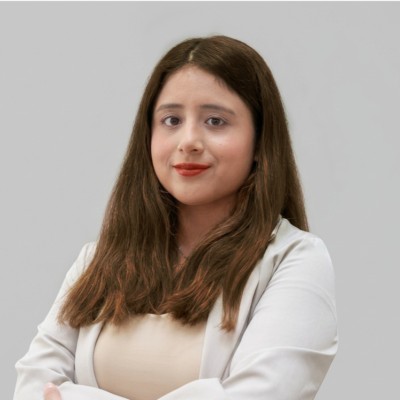
Catherine Varas

Software Engineer

Three live omics traces — RNA, protein and metabolite — scrolling out of phase while a read head sweeps across. RNA Protein Metabolite

Catherine Varas is a Software Engineer at IDEA Bio, where she turns the data generated across the facility into dashboards that let scientists see how their experiments are performing. She holds a Master of Data Science from The University of Queensland.

Her work sits between the laboratory and the people interpreting it: consolidating experimental data, surfacing the metrics that describe how a run behaved, and presenting them so researchers can see not only what happened, but where a process can be improved. Before joining IDEA Bio, Catherine worked in consulting, building data pipelines and dashboards that made reporting and decision-making faster and more efficient for her clients.

Let's build something

Do you have an IDEA?

Tell us what you want to make with biology — we'll help you design, test and scale it.

Do you have an IDEA?